The rise of the drones and what it means for your privacy
By adminPublished On 23/09/2016
The rise of the drones and what it means for your privacy
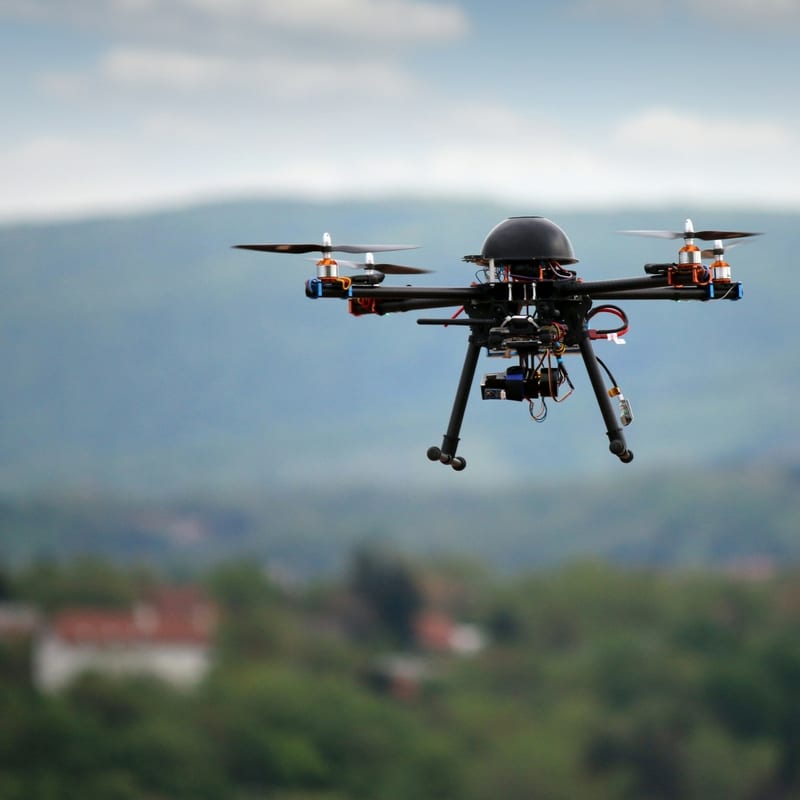
Drones (also known as unmanned aerial vehicles) have become a more common sight in recent years. This is due to their greater affordability and increased capability. But how does this impact privacy?
New Regulations for Drones
The Civil Aviation Safety Authority will introduce new drone regulations on 29 September 2016. The new regulations aim to reduce the regulation of drones operating in a commercial context. While this is great news for drone users, it poses questions around privacy protection for ordinary citizens.
Australia’s privacy laws are governed largely by the Privacy Act 1988 (Cth). The Privacy Act regulates the collection of personal information about individuals. Personal information is:
“information or an opinion, whether true or not, and whether recorded in a material form or not, about an identified individual, or an individual who is reasonably identifiable.”
However, there is no legislative right of privacy.
How do privacy laws apply to drones?
Drones are able to operate in a more advanced way than ordinary surveillance systems. They can reach many previously inaccessible locations due to their size and mobility. They have the ability to capture a broad range of information, some of which may be personal if it is concerns an “identified individual”. However, information will not be protected by the Privacy Act if it is not about an “identified individual”, for example a backyard. Such information may be retained and used without consent of the owner.
Although other national laws exist to protect privacy, these laws have not kept up to date with technological advances. The common law tort of trespass developed before the emergence of drones. Similarly, the Surveillance Devices Act 2004 was enacted to cover the use of surveillance devices that are physically attached to property. The current lack of uniformity in state laws can mean that individuals do not know what constitutes an illegal breach of privacy and what does not.
There is certainly room for the federal government to legislate around privacy in light of the increased use of drones. Drone operators and ordinary citizens should watch this space with anticipation.
Got Questions?
If you have any questions about privacy, please contact our Business Law team at petern@lewisholdway.com.au or call on (03) 9629 9629.